My buddies were asking me how I stay in a continuous high vibe flow, so here goes, my tips for high vibe living …
- Never judge yourself around anything. The simple act of judging of yourself will drop you like a stone to the bottom of the vibrational pond.
- Love every cell of you and every moment of life. Fall wildly, joyfully in love with life on planet Earth and in the universe that embraces us.
- Believe that you are here for more than just a good life. You are a walking legacy of creation that can remake us all.
- Walk in awe, breathe in wonder, seek out beauty for your eyes to behold… et voilà, your vibe will skyrocket to whole new horizons.
- Know that you are the universe, a source of new’ness, nature bursting into glory, oceans waving hello to the stars. This reframe from you as individual human to collective being is a fabulous way to live, rocking the high vibe into place with you always.
- And finally, be up to something wondrously grand, a genius contribution to us all to have life thrive. You’ll discover in the new, high vibe reality that this brings joy, not burdens, to make that grandness come alive in the world.
About the Author:

Soleira Green is a visionary author, quantum coach, ALLchemist & future innovator. She has been creating leading edge breakthroughs in consciousness, quantum evolution, transformation, innovation, intelligence and more over the past 25 years, has written and self-published eleven books, and taught courses all over the world on these topics.
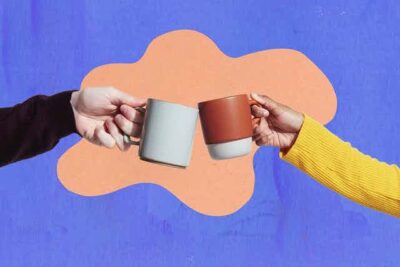 If you’ve ever tried to make new friends as an adult, you’ll probably see why loneliness is at an all-time high. Making new friends feels just plain hard.
 This won’t be news to many of us. When we have demanding work schedules, very involved family lives or a combination of the two, our time for investing in friendships drops. Even when we meet a promising new friend, it can be hard to carve out time to invest in it. This is a bigger problem for older adults, given most people find their obligations increase with age.
 For many of us, decluttering serves as a sort of mental palette cleanser. Stressed out? Tidy your apartment. Unfocused and frazzled? Clear the mess on your desk. Down in the dumps? Reorganize your closet for a sense of accomplishment.
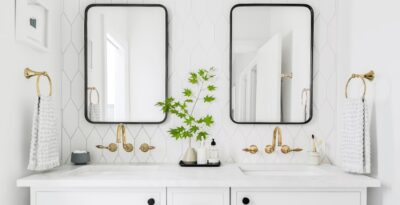 Believe it or not, you may find yourself looking for your next organizational project after just seven days or so. “System creation can provide ongoing motivation—it builds on itself,” Dorfman notes. “If you design an entryway space equipped with a place for your coat, keys, and bag, you’ve mitigated future misplacements. The sense of mastery and competence prompts the mind to want more.”
 Yes, I know there are many realities, but let’s just for a moment distinguish them as two … normal reality and NEW reality.
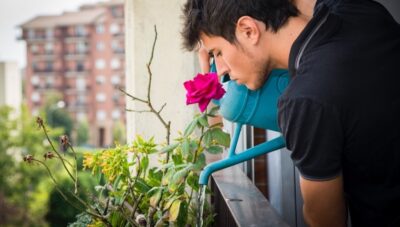 Small changes go a long way in creating a healthier planet for years to come. Whether you rent an apartment or an entire house, there are several ways you can lead a more sustainable lifestyle.
 Some people are incredibly likable because of the things they do. Some people are incredibly charismatic because of the things they do.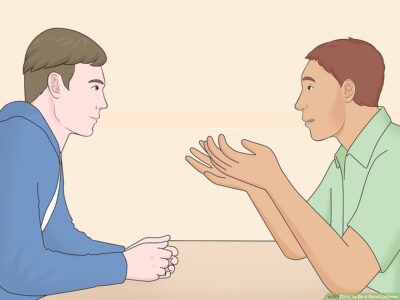
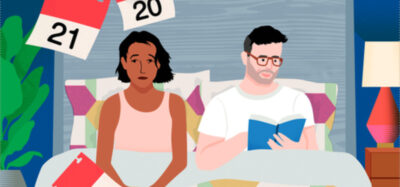 If you’ve been stressed out and ignoring it—isn’t everyone stressed right now?— it could be time to do something about it. That’s because even though you may be basically healthy, tension is doing its stealthy damage. The latest evidence? Researchers have linked high levels of the stress hormone cortisol to brain shrinkage and impaired memory in healthy middle-aged adults. And get this: The effect was more pronounced in women than in men.
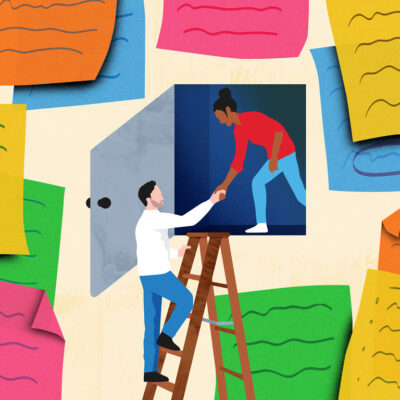 Priem has found that problems arise between couples when each person has a different perception of what’s stressful. The result: When people are really tense, their partners aren’t necessarily motivated to offer support if they think, If I were in this situation, I wouldn’t consider it that big a deal. So how do you get the response you want when you need it?
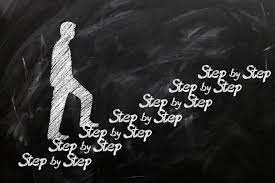 Self-regulation, within the space of wellbeing, is actually emotional self-regulation. In other words, the capacity of managing our emotions on a daily basis. During the day, we experience a range of different emotions, from joy, love, and peace to anger, frustration, anxiety — and the way we respond to events will determine our state of being. The important point here is that we have a choice, we always have a choice: we can choose to give free rein to negative emotions and dwell on them, or we can choose to acknowledge these emotions, find a solution, and move on.
 The third step is when consciousness comes into play. When I say “consciousness” I am talking about that inner awareness of being more than flesh, being part of something larger, where we are one and unique, where there is peace and there is freedom. As conscious beings we know that our inner self plays a role in our wellbeing, and if we are able to go to that internal place, then we can receive the benefits of understanding that everything comes from within and that we are in charge of our own life.
 A dear friend — a friend I admire for her ability to guide others — recently admitted to suffering from a bout of the “shoulds.” She pointed out that every time she told herself she “should” have done something or “should” be doing something, she was essentially flagellating and shaming herself.
 A propensity toward a “should” mindset can come from early neural imprinting within fear-driven cultures, says neuroscientist Tara Swart, author of The Source: The Secrets of the Universe, the Science of the Brain. “Cultures can mean family, society, school, or religion. Even in adulthood, the ‘shoulds’ are about the things you had to do to survive without punishment, which can be literal or be shame, guilt, or humiliation.” Telling ourselves we “should” be doing this or “should” be doing that subconsciously brings up the shame or guilt that would have been the punishment for not behaving as expected during childhood, says Swart.
 Barna Abel says, situation permitting, her first step in quelling the inner “shoulds” is to check in with herself and ask what would it look like to let go of what she thinks she should do and actually start to do what she wants to do. “It’s just stopping and being honest with yourself about your resistance. A lot of times, what gets stuck in the ‘shoulds’ are things that we’re not good at. There are things you may have been putting off because they aren’t things you really want to do, or are things that you may find difficult,” Barna Abel says. Then, actually plot out your options. “Ask yourself: If I knew I couldn’t fail, success was assured, and money was no object, what would happen? This gets you to open up in terms of possibility and alternate solutions,” she adds.
 Welcome to Summer! Welcome to Winter! Completely depends on whether you’re in the Northern or Southern Hemispheres, doesn’t it? Still, happy Solstice to one and all.
 We are currently the only species on this planet in which everyone must “earn” their living. Do you even ever question that assumption? I do…a lot. Jobs were created when the Industrial Age started. Before that everyone had a trade or vocation. People specialized, whether they were the baker, butcher, or candlestick maker. Everyone was sort of an entrepreneur. Before that, we lived in cooperative communities in which everyone contributed to the mutual welfare and survival of all the members of the group. Concepts such as hoarding and “not enough” were unknown. Yes, there were tough times; when the hunting was poor, or there was a drought. But the fluctuations were part of the planetary ecosphere evolving, not because someone somewhere saw a way to make a quick buck speculating in the commodities market. We might well ask what changed to cause us to abandon the natural equilibrium we had with Nature and when and how did it change. Is what we see in front of us now really fair and working for you and me?
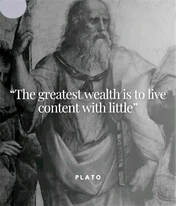 A new thought teacher by the name of Catherine Ponder once said, “abundance is having just enough to share.” When we share from our blessings, no matter how meager, we are sending out a message to the Universe. We have cast our “bread on the waters” which will return to us when we may be in need. As we give to others, we give to ourselves.