


About the Artist:

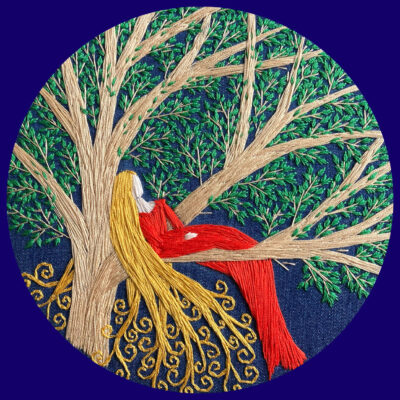
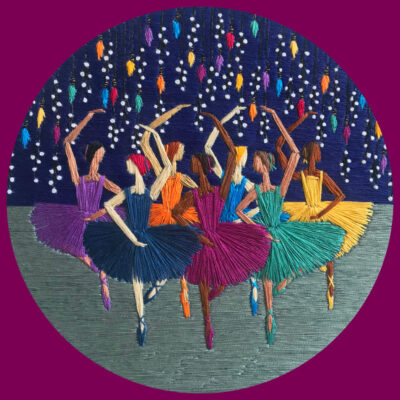
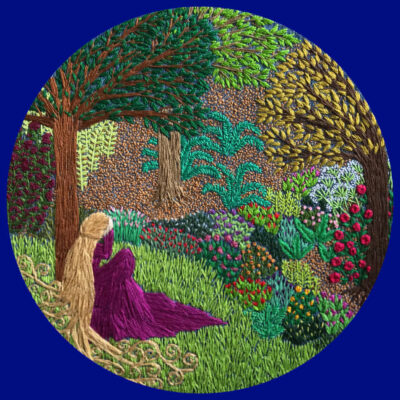
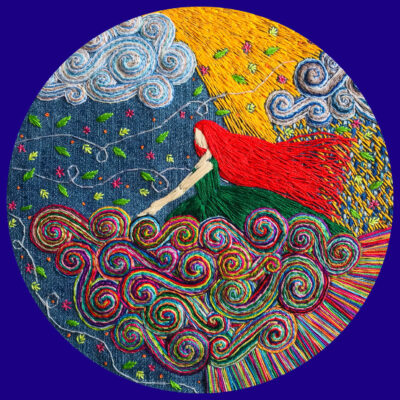
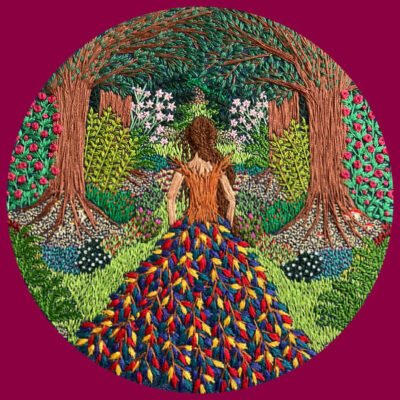
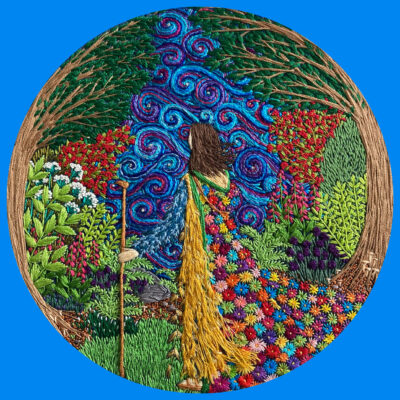
Hello, my name is Gemma Matthews, also known as The Sewing Songbird. I am a self-taught embroidery artist from Nottingham, England. My stitching journey began in 2018 as something to keep my hands busy and my creativity flowing whilst raising my 4 children.
I am an unconventional embroiderer: I create freehand pictures using upcycled denim as my canvas and the needle like a pencil/paintbrush. I simply stitch whatever comes out of my head and see where it takes me. It’s an incredibly slow process, I average 80 plus hours a piece, sometimes many, many more depending on how absorbed I get into the tiny details. I take my inspiration from many things but mainly nature, literature and the arts. Embroidery is my escapism and I hope I can take the viewer with me…
Website: The Sewing Songbird
Twitter: @Gtilleymatthews
Instagram: @the_sewing_songbird
Facebook: @thesewingsongbird




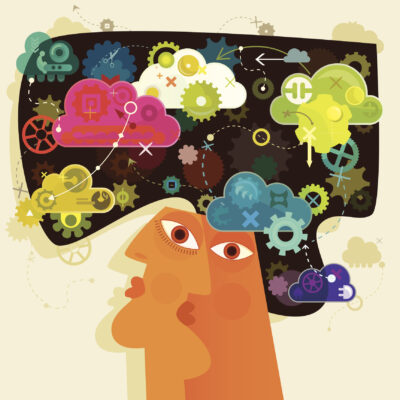 Dr. James McGaugh remembers that day too. At the time, he was director of UC Irvine’s Center for the Neurobiology of Learning and Memory, the research institute that he founded in 1983. In her email, Jill Price said that she had a problem with her memory. McGaugh responded almost immediately, explaining that he worked at a research institute and not a clinic, and that he’d be happy to direct her to somewhere she could find help.
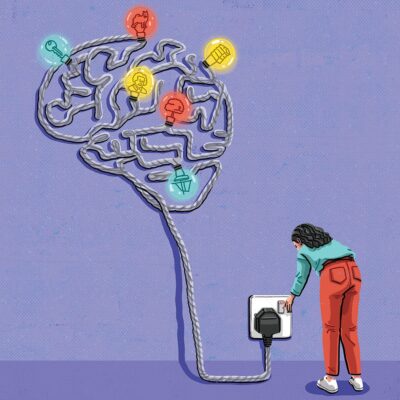 Still, he started from a position of scepticism. “In interrogating her, I started with the scientific assumption that she couldn’t do it,” he told me. And even though Price showed that she could, repeatedly, McGaugh was still unmoved. “Yeah, it got my attention, but I didn’t say, ‘Wow.’ We had to do a lot more. So we did a lot more.” (In Price’s recollection, however, her ability to remember “really freaked Dr McGaugh out.”)
 In May 2012, the journal Neurobiology of Learning and Memory published a follow-up study by UCI neuroscience graduate student Aurora LePort and neurobiologist Dr Craig Stark, then the director of the UCI Center for the Neurobiology of Learning and Memory. It was now nearly 12 years since Price first reached out to McGaugh, but researchers were only fractionally closer to finding the answer she was looking for.
 For both Price and Petrella, there is a specific point in their lives that they feel triggered their ability to remember things with extraordinary clarity. For Petrella, it was when he was seven years old and playing a deliriously fun game in his backyard with a childhood friend. The next day, Petrella invited his friend over to play it again, but they only played for a few minutes before getting bored. Petrella realised then that nothing ever stays the same and that it was important that he remember things before they changed. For Price, it was her family’s traumatic move to the West coast. In each case, Price and Petrella say they already had strong memories before this decisive moment, but after it, their ability to remember was transformed.
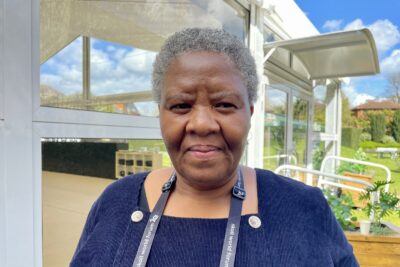 I love my family. I was brought up in a very close family. Of course we fight, but we also laugh together. We share everything — all the joys and the pains. And I know the pain I am feeling, my family will feel the same thing. We confide in each other and find comfort in that. When I want to be happy, my family is always there for me.
 I’ve been working in rural areas for the last ten years. And in the women, peasants and farmers I’ve met there, I’ve found another kind of genius. They help me understand that the future is possible.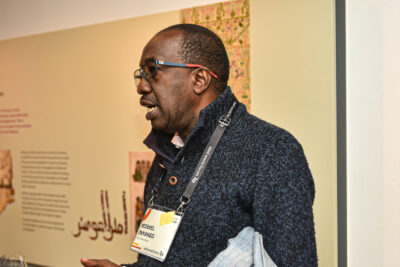



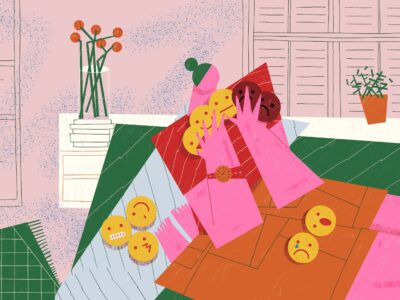 It’s common to wonder whether talking to yourself is “normal.” Let me be the first to tell you—it’s what got me through the pandemic.
 At first, I was reluctant. I asked my body audibly, “How are you feeling?” when my migraines worsened. Often, my body would flood with anxiety or freeze up with stress. When that happened, I’d ask, “What do you need in order to feel more relaxed?” I would wait and listen, then act on what my body “said” back to me. If my body felt tired, I would nap. If I was anxious, I would meditate. If I needed more information about what my body needed, I asked follow-up questions.
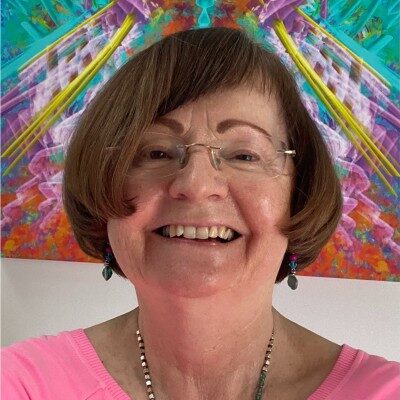
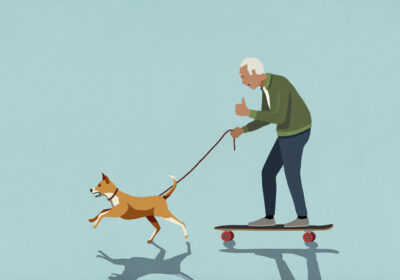

 Being the most talkative person in the room may be a good way to get people’s attention, but it doesn’t necessarily mean you have the best ideas.
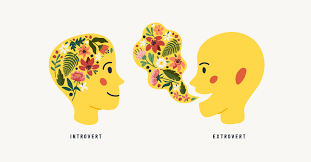 Here’s how managers can create an introvert-friendly workplace: