
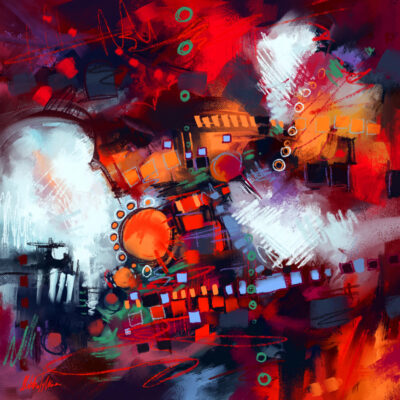
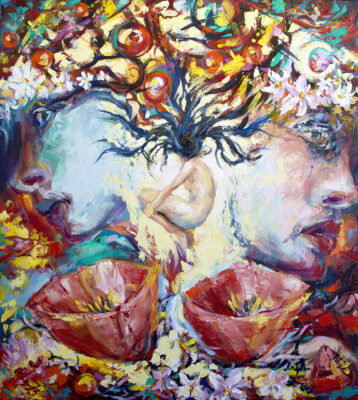
Artist Statement:
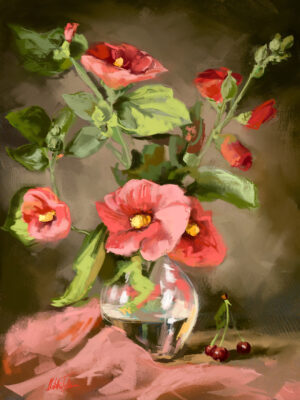
 I’m a self-taught artist from Finland, working in many different traditional mediums and digital art. I especially like to create digital art that feels as if it’s made in a traditional medium.
It feels that such thoughts give paintings more of a deep and emotional charge on so many levels.
My art creativity gravitates to symbolism, mysterious landscapes and music of color.
I aspire to understand the essence of nature, the world in philosophical-mystical relation to me. Always try to open harmony of the world in details or the generalized compositions.
Our world is so beautiful, and I try to capture all that magic in canvas and thought that brings all that beauty and joy to people.
I have participated in numerous exhibitions around Finland, Monaco, Russia, France, Spain, Italy and England. My work has received many international High Recognition Awards, and my works are in private collections around the world.
Connect with me:
https://mishelangello.blogspot.com/
https://twitter.com/MikkoTyllinen
http://www.instagram.com/mishelangello/
http://www.facebook.com/artofmikkotyllinen/



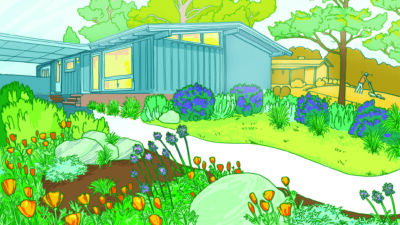
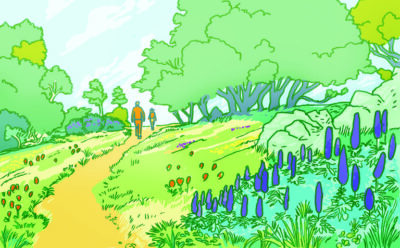 The great likelihood is that you’re going to be adapting to the conditions you already have. Those conditions might not appear to be “optimal” in the traditional horticultural sense. But plants grow in the wild without fertilizer. Survivors adapt, learning to love even marginal soil. They also forge relationships with other plants, animals, and the microbiology of the soil. These relationships become the foundation of a sustainable and resilient landscape.
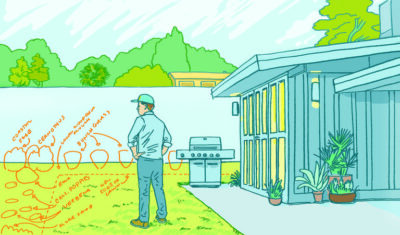 Now that you’ve observed, ask…What plants will thrive in my yard? In other words, what does nature want? And what do I want? Where these desires meet will be the foundation of your design.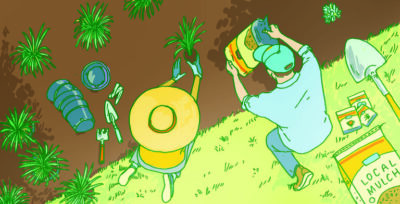
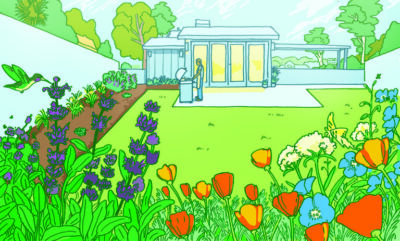 Watch how the landscape evolves. “Don’t be discouraged if some of the plants in your palette don’t do well, even though you did the research,” says Max Kanter, cofounder of Saturate, an ecologically minded gardening company in Los Angeles. Some might not be placed quite right, while others will thrive in ways you didn’t expect. “Start to practice the idea that the garden is a process,” he says. It’s not an installation or a transaction; it’s a relationship.
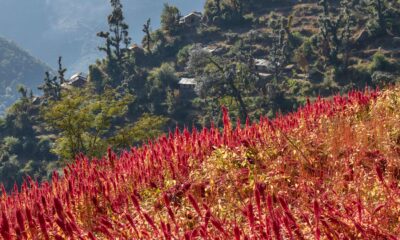 Over the course of human history, scientists believe that humans have cultivated more than 6,000 different plant species. But over time, farmers gravitated toward planting those with the largest yields. Today, just three crops – rice, wheat and corn – provide nearly half of the world’s calories.
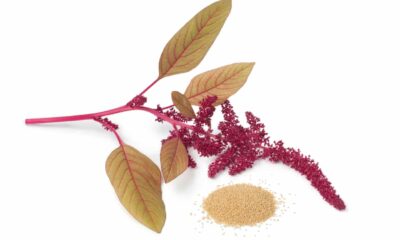 From leaf to seed, the entirety of the amaranth plant is edible. Standing up to eight feet tall, amaranth stalks are topped off with red, orange or green seed-filled plumes. Across Africa and Asia, amaranth has long been eaten as a vegetable – whereas Indigenous Americans also ate the plant’s seed: a pseudo-cereal like buckwheat or quinoa.
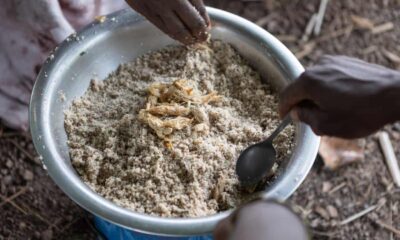 For thousands of years, farmers across West Africa have cultivated fonio – a kind of millet that tastes like a slightly nuttier couscous or quinoa. Historically, fonio is considered to be Africa’s oldest cultivated cereal and was regarded by some as the food of chiefs and kings. In countries such as Senegal, Burkina Faso and Mali, fonio would be served on holy days, like at weddings and during the month of Ramadan.
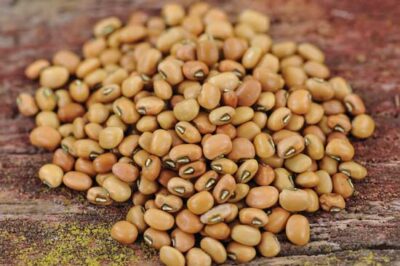 In the 1940s, more than 5m acres of cowpeas were grown in the US – the majority, as their name suggests, for hay to feed livestock. But long before cowpeas – also called southern peas or black-eyed peas – came to the Americas, they were grown for human consumption in West Africa. Although cowpea production has declined in the US in recent decades, the crop is hugely important in much of Africa. Nigeria is the world’s largest cowpea producer.
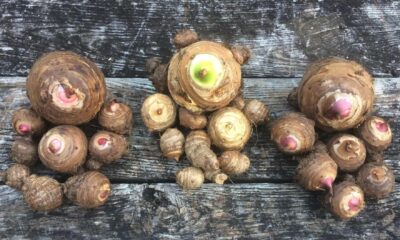 In the tropics of Southeast Asia and Polynesia, taro has long been grown as a root vegetable, not unlike the potato. But as rising temperatures threaten cultivation of the crop in its natural habitat, farmers in the continental US are trying to adapt the tropical perennial to grow as a temperate annual, because it cannot survive the cold of US winters.
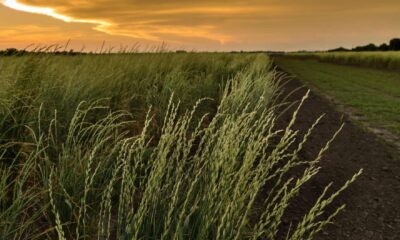 While many alternative crops are just plants that were grown somewhere else in the world generations ago, others have been cultivated specifically to withstand climate change.
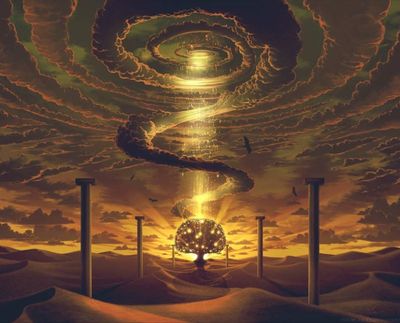 Yes, I know there are many realities, but let’s just for a moment distinguish them as two … normal reality and NEW reality.
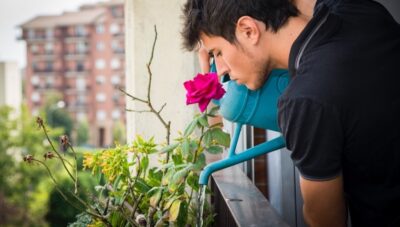 Small changes go a long way in creating a healthier planet for years to come. Whether you rent an apartment or an entire house, there are several ways you can lead a more sustainable lifestyle.