

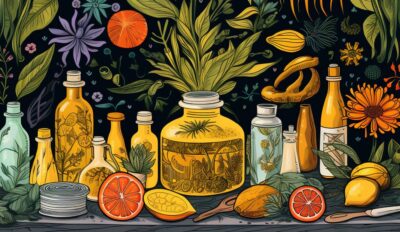
They’re the Yorkshire Terriers of the vegetable world. Herbs may be small, but they make a lot of noise, nutritionally speaking. Indeed, if you want to do one thing to your diet to improve it fast, adding a handful of herbs to meals could really make a difference.
The reason is herbs are packed full of so-called volatiles, essential oils with antioxidant, disease-fighting properties. While we’ve all heard about blueberries and antioxidant power, a study published in the Journal of Nutrition, found that some herbs are actually higher in antioxidants than fruit, including berries and other vegetables. You can tell this by just rubbing a lettuce leaf between your fingers. It goes sticky. Do this to a leaf of basil and you can smell the precious oil on your fingers.
These volatile oils have seen herbs prized for their medicinal properties for centuries. The Romans first discovered coriander and used it as a preservative. Parsley is an anti-bacterial. Mint tea is a digestive, common all across the Middle East to this day. Dill, another digestive, has long been used in gripe water for babies.
Modern science is catching up. Research increasingly backs the use of herbs in protecting us against disease and easing some symptoms. For example, a recent study by the University of Adelaide demonstrated the effectiveness of mint in reducing the symptoms of IBS. Researchers found that mint activates anti-pain channels in the colon and reduces inflammation.
So, how do you use herbs to turbo charge your health? The first thing to say is those ancient jars of dried herbs that you may have at the back of a kitchen cupboard, the ones that smell (and taste) like dust, probably aren’t going to do it. In the same way that fruits and vegetables lose their vitamins with storage, so too herbs are most powerful at their freshest.
Drying herbs reduces their vitamin and mineral content considerably, with water-soluble vitamins such as B and C especially affected. Alternatives include freeze dried, frozen, fresh cut and fresh potted. Freeze-dried and frozen are convenient, but for the best nutritional bang for your buck, go for fresh cut or potted.
Potted Or Bagged Herbs?
To decide between potted or bagged, it can help to consider which family they come from. The carrot family includes parsley, dill and tricky coriander. None of these are likely to regrow once you have removed the leaves, so you may have to bin them. Buying ready cut, sold in bunches or bags, may therefore be a better option.
The mint family includes mint, basil, oregano, rosemary, thyme and sage. These are tougher and will continue to grow if you avoid cutting whole branches off from the base and instead pinch off leaves higher up. Potted versions will last best if you don’t employ a nuclear winter approach and strip them of all leaves. Keep enough leaves for the plant to generate energy to keep growing.
Chives, from the onion family, and tarragon from the lettuce family will work potted or cut.
How Keep Potted Herbs Alive
There is an obvious problem with fresh herbs, often bought from a supermarket; they tend to die on you. That lush bush of basil or coriander you put in your basket turns into a sad, wilted mess of limp yellowing or blackened leaves. James Seymour from The Fresh Herb Company is sympathetic. “Coriander in particular is very temperamental,” he admits.
According to Seymour, the most common mistake we all make when buying and storing fresh herbs are over-watering and not keeping them warm enough. Basil or rosemary come from countries with a Mediterranean climate. Sticking either plant in a saucer of water on a drafty windowsill is a quick way to kill them. Rule one: keep the soil relatively dry. Rule two: keep them above 50 degrees Fahrenheit.
To extend the life of cut herbs, treat them like cut flowers. “Stick them in a mug of water on the fridge door next to the milk,” suggests Seymour.
HERB POWER: THE TOP FIVE
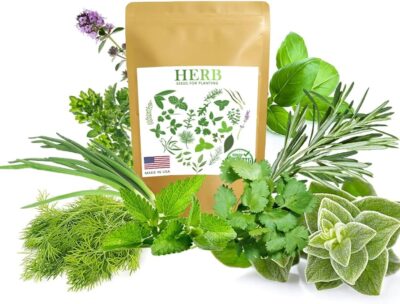
Parsley has more vitamin C in it, gram for gram, than most citrus fruits. It is therefore a fantastic immune booster. Two tablespoons of fresh, chopped parsley also contains 150% of your RDA of vitamin K, which is important for bone health. It is a source of both vitamin A and folate. The latter is especially important for pregnant women or those trying to conceive a baby, as this has been shown to reduce the incidence of spina bifida in babies. Parsley is a diuretic, which means it helps you get rid of unwanted water, so could help with bloating. It is known to be an anti-inflammatory and is a traditional remedy for symptoms of rheumatoid arthritis.
How to use it: Parsley tea can taste a bit grassy, so the fresh herb is best added to soups and sauces. Chopped into bulgar wheat, it is the dominant flavor in Middle Eastern tabouleh.
Basil is packed full of flavonoids, which have been shown to protect cells from chromosomal damage. The two key flavonoids in basil are orientin and vicenin, and both have been shown to reduce cell damage from radiation, aka sunlight, so they protect the skin from photo aging. With its high vitamin C content as well, basil is therefore a good anti-ager for those who like the sun. Basil also contains iron, for energy and healthy blood, and magnesium, which is a muscle relaxant, often called nature’s tranquilizer. Traditionally, basil has been used to treat colds and fevers, stomach pains (because of its anti-spasmodic effect) and flatulence.
How to use it: Basil can be used in savory dishes such as soups and sauces, as well as famously chopped into fresh pesto. Also works really well torn and sprinkled over fresh strawberries.
Coriander contains a huge range of vitamins and minerals, including B vitamins thiamine, riboflavin, and folate, which help give us energy. Add in iron, which makes hemoglobin to carry oxygen round the body in red blood cells, and you have a general tonic effect. Coriander is also believed to reduce both cholesterol and blood pressure, but is most well-known for its anti-bacterial and anti-fungal effect. If you have a queasy tummy from a foreign trip or food poisoning, it could help. Coriander is known to have anti-histamine and anti-inflammatory actions, meaning it reduces symptoms of allergy from eczema or hay fever.
How to use it: Most commonly seen in Asian cuisines, coriander makes a great addition to a thai stir-fry or stirred into an Indian curry right at the end.
Mint is traditionally used as a digestive, as it helps break down fat and improve digestion. Chewing on the leaves or making a tea also releases menthol, which is a decongestant, so a natural remedy for a stuffy nose. It could also help relieve nausea and headaches. Mint is high in vitamin C, which is important for good brain function and healthy skin, as well as vitamin A, a potent antioxidant, and manganese. This helps fat and protein metabolism, another reason mint is a good digestive.
How to use it: Make a tea by steeping the leaves in boiling water, chop and stir into fresh peas or salad. Mix into yogurt and chopped cucumber to make Indian riaita.
Rosemary is not only potent in taste, but has also been shown to reduce the risk of breast cancer by blocking some of the unhealthy effects of estrogen in the body. This makes it particularly useful for those with a family history of female cancer or who have had a scare themselves. Rosemary contains a long list of vitamins and minerals, including vitamin E, which is important for skin healing, and two phenolics, caffeic acid and rosemarinic acid. These are anti-inflammatory, so may help inflammatory conditions such as arthritis. Rosemary has an anti-bacterial effect that has made rosemary tea a traditional remedy for a sore throat.
How to use it: Rosemary goes really well with meat, especially with lamb, where it has a semi-preservative effect. The natural oils also help you digest the saturated fats.
Original article here
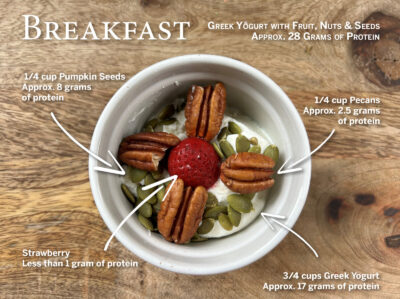 Amp up your morning bowl of Greek yogurt
 An estimated 23.5 million Americans, including my husband, suffer from an autoimmune condition — and their numbers are growing, though researchers don’t know why. You’ve likely heard of the most common autoimmune diseases — including type 1 diabetes, rheumatoid arthritis, multiple sclerosis, lupus, celiac disease, psoriasis, inflamatory bowel disease and Crohn’s disease — but you might be unaware that there are more than 80 named but lesser-known types. Through working as a nutritionist and living with my husband, I’ve learned the importance of diet in battling these disorders.
 The data are stark: the typical American diet is shortening the lives of many Americans. Diet-related deaths outrank deaths from smoking, and about half of U.S. deaths from heart disease – nearly 900 deaths a day – are linked to poor diet. The pandemic highlighted the problem, with much worse outcomes for people with obesity and other diet-related diseases.
 Expand access to dietary and lifestyle counseling
 Over the course of human history, scientists believe that humans have cultivated more than 6,000 different plant species. But over time, farmers gravitated toward planting those with the largest yields. Today, just three crops – rice, wheat and corn – provide nearly half of the world’s calories.
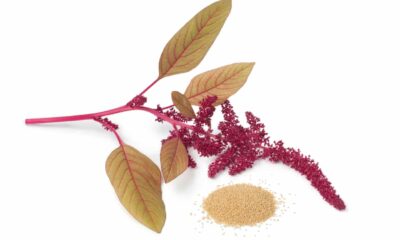 From leaf to seed, the entirety of the amaranth plant is edible. Standing up to eight feet tall, amaranth stalks are topped off with red, orange or green seed-filled plumes. Across Africa and Asia, amaranth has long been eaten as a vegetable – whereas Indigenous Americans also ate the plant’s seed: a pseudo-cereal like buckwheat or quinoa.
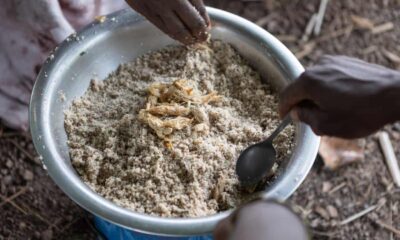 For thousands of years, farmers across West Africa have cultivated fonio – a kind of millet that tastes like a slightly nuttier couscous or quinoa. Historically, fonio is considered to be Africa’s oldest cultivated cereal and was regarded by some as the food of chiefs and kings. In countries such as Senegal, Burkina Faso and Mali, fonio would be served on holy days, like at weddings and during the month of Ramadan.
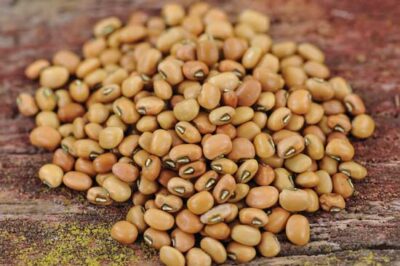 In the 1940s, more than 5m acres of cowpeas were grown in the US – the majority, as their name suggests, for hay to feed livestock. But long before cowpeas – also called southern peas or black-eyed peas – came to the Americas, they were grown for human consumption in West Africa. Although cowpea production has declined in the US in recent decades, the crop is hugely important in much of Africa. Nigeria is the world’s largest cowpea producer.
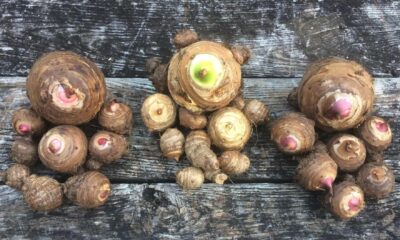 In the tropics of Southeast Asia and Polynesia, taro has long been grown as a root vegetable, not unlike the potato. But as rising temperatures threaten cultivation of the crop in its natural habitat, farmers in the continental US are trying to adapt the tropical perennial to grow as a temperate annual, because it cannot survive the cold of US winters.
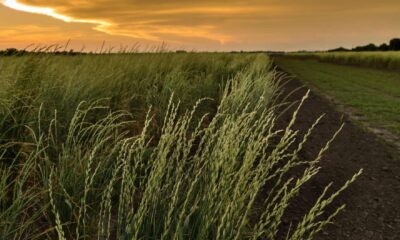 While many alternative crops are just plants that were grown somewhere else in the world generations ago, others have been cultivated specifically to withstand climate change.
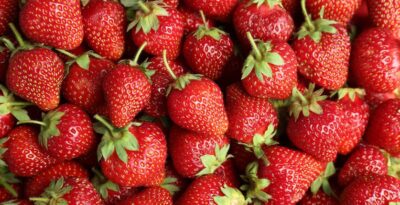 Believe it or not, strawberry tops—the part you cut off and toss into the garbage or compost—can be repurposed in a variety of creative ways. While munching on the green tops itself doesn’t sound all that appetizing, you’ll be surprised at how they can be used.
 Fasting isn’t a new or trendy concept. The practice of restricting food for a certain period of time has been around for centuries. Most commonly used for religious purposes or cultural beliefs, fasting has recently become a tool for weight-management with proponents also claiming its benefits on controlling blood sugar, calming inflammation and protecting brain health. Emerging from that trend is a take on intermittent fasting, known as dirty fasting, that may make fasting easier. But what exactly is dirty intermittent fasting and is it healthy?
 Active people tend to overthink what food is doing for their body — Is keto good for endurance? What’s the perfect post-training macro spread? Butter or no butter in my coffee? — but underthink what it’s doing for their mind. Yet you’ve probably noticed that what you eat impacts what’s going on upstairs. We’ve all devoured a cheat meal and afterward felt off, not just physically but also mentally and emotionally. And new research suggests that the connection between diet and mental well-being is a little more nuanced than scientists once thought.