

If you’ve seen a loved one take a bad fall – like my mother did a few months ago – you know the importance of muscle strength.
Muscle mass peaks in our 30s and then starts a long, slow decline. Muscle-loss, also called sarcopenia, affects more than 45% of older Americans, especially women.
“As a country, we are under-muscled,” says Richard Joseph, a wellness-focused physician. It’s a key culprit of physical decline.
Loss of strength increases the risk of falling, the top cause of death from injury in older adults. The Office on Women’s Health recently launched a sarcopenia awareness campaign to elevate the issue.
The good news: No matter your age, you can take steps to maximize your strength. Resistance training is key, but equally important, is eating adequate amounts of protein.
If you don’t consume enough protein, “you’re missing half of the equation,” says nutrition and exercise scientist Rachele Pojednic, a researcher at Stanford Lifestyle Medicine. But millions of older women in the U.S. don’t consume enough protein, research shows.
Protein is critically important because it’s in all our cells — including muscle cells — and our bodies constantly recycle it. There’s a steady demand for new supplies, and protein-rich foods provide the amino acids that become the building blocks of the new proteins our bodies need.
As we age, the goal is to consume protein from food at a faster rate than our body is breaking it down. When you add in resistance training, this will help maintain muscle mass, Pojednic says.
So how much is enough? The recommended intake is a minimum of 0.8 grams of protein per kilogram of body weight. That’s about 0.36 grams of protein multiplied by your weight in pounds. That means a person who weighs 150 pounds should consume at least 54 grams of protein a day.
But many experts say more is optimal. As we age, protein needs to increase. And if you are exercising a lot – which is the way to build new muscle — you may benefit from even more.
Sports medicine experts recommend up to 1.7 grams of protein per kilogram of body weight each day for people who are actively training, which is about 115 grams for a 150 pound person.
Most young adults tend to consume the recommended amounts of protein. But, later in life, a study from 2019 found about 30% of men in their 50s and 60s fall short, and nearly half of women aged 50 and older do.So, as part of my project on healthy aging, I decided to up my protein intake. I was advised to aim for 90 grams of protein a day, which, at first I found challenging. So, I asked experts to share some key foods and strategies to help pack more protein into my meals. Here are some ideas:
 Amp up your morning bowl of Greek yogurt
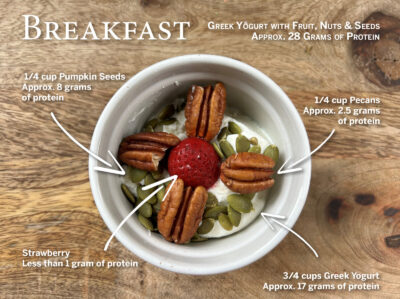
At about 17 grams per ¾ cup serving, Greek yogurt is a great source of protein. You can eat it plain, add sweet or savory toppings, or throw it into a smoothie. “It’s super versatile and high in casein protein, which is slow to digest, which keeps you full while also promoting muscle protein synthesis,” which is the process of building muscle mass, Pojednic says.
- Eggs are an easy way to get protein on the go
At 6 grams of protein for a large egg, hard-boiled eggs are a go-to option. If you hard boil a dozen eggs and keep them in the refrigerator, they’re ready to grab and go. And, whether you like scrambled or poached, eating an egg in the morning – or as a mid-morning snack, can hold you to lunch. The U.S. Dietary Guidelines say an egg a day won’t raise heart disease risk in healthy people, but some adults may need to limit eggs due to cholesterol concerns.
- Power up your smoothies with powdered protein
If you’ve got a blender and some fruits and veg on hand, you’re ready to go. “We have a big smoothie game in our house,” Joseph says. “I love smoothies, my kids love smoothies,” he says and it’s easy to add extra protein by blending in a scoop of protein powder. Whey protein powder, which is derived from the cheesemaking process when whey and curds are separated, has all of the essential amino acids our bodies need, and it’s another great option for high protein on the go. I like to buy big bags of frozen berries for my smoothies and toss in spirulina, an algae that’s high in protein. Also, if my bananas or greens are getting too ripe, I add them, so they don’t go to waste.
- Add some tuna to your salad
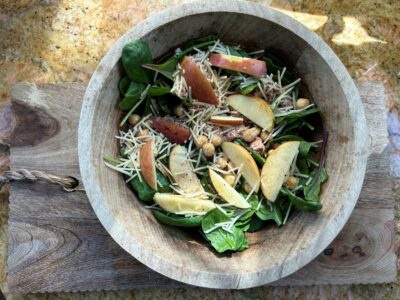
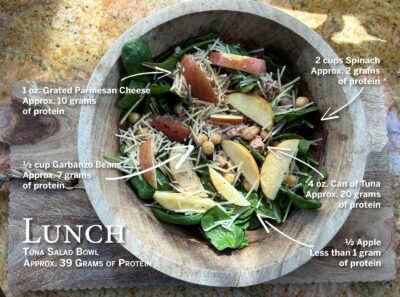
Fish is chockablock full of protein. Cod has approximately 40 grams per serving and salmon and tuna both have approximately 30 grams. And Rachele Pojednic says fish is an excellent source of unsaturated, rather than saturated fat, so that’s a plus for heart health. One super simple option is to toss a can of strained tuna over a bed of greens, then add fruit and nuts for crunch. And, voilà, you’ve hit your protein target!
- Sprinkle in protein with nuts and seeds
Nuts and seeds tend to be about the same – or even better – in the protein category than legumes, so try sprinkling them on salads and rice bowls, Pojednic says. Hemp and pumpkin seeds both have around 8 grams for a ¼ cup serving, and you can add them as healthy “crunchies” on top of yogurt, oatmeal, salads or bowls, she says. Pumpkin seeds also contain plenty of magnesium, beneficial for heart health.
- Meat in small doses adds a protein punch
Meat is a top source of protein, serving up about 7 grams of protein per ounce, and many dietitians say to aim for lean cuts, such as chicken breast or lean ground turkey. But as many people aim to cut back, there are plenty of plant-based alternatives. A new study published in the American Journal of Clinical Nutrition this month finds adequate protein intake in midlife – especially plant protein – is linked to significantly higher odds of healthy aging.
- Tasty ways to eat tofu and beans
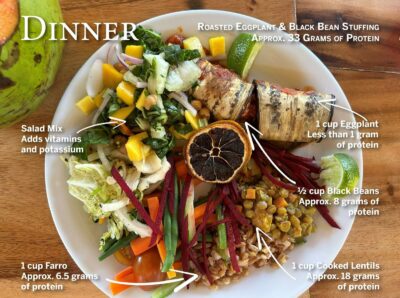
Lentils and chickpeas are two of my favorite plant protein sources, which are delicious on their own or in curries and soups. You can also cook up a potful and keep them in the fridge ready to add to salads. There’s also tofu and edamame, which are affordable and available at most supermarkets. Lesser known options include Tempeh (soy based) which comes in at approximately 18-20 grams of protein per serving. Here’s a hack to prevent tofu mush: I sprinkle a little cornstarch on diced tofu and pan-fry it, which makes it crispy on the outside. Then I toss in sauces, such as peanut sauce or pesto.
- Don’t miss out higher-protein grains
I love the nutty taste and chewy texture of farro, an ancient grain that’s won over a lot of fans. It’s easy to cook – just toss the grain into boiling water and let it simmer. A few cups makes enough for several meals. At twice the protein, it’s an “awesome swap for rice,” Pojednic says. And farro also has a lot more fiber. Quinoa is another good option, it has approximately 8 grams of protein per cup.
- Don’t forget veggies
Vegetables are not the main players when it comes to protein, but they can add a few grams. For instance, a cup of broccoli contains about 2.6 grams. And greens and colorful vegetables contain many beneficial vitamins, micronutrients and antioxidant compounds which are good for health. Eating a salad a day is linked to a sharper memory, too. So keep a bowl of chopped vegetables to snack on and blend into salads, stews and soups.
Original article here
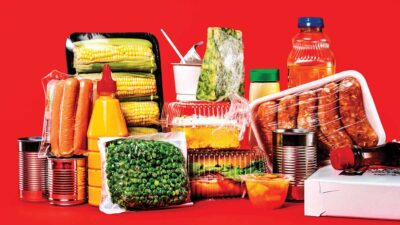 By the time you open a container of yogurt, the food has taken a long journey to reach your spoon. You may have some idea of that journey: From cow to processing to packaging to store shelves. But at each step, there is a chance for a little something extra to sneak in, a stowaway of sorts that shouldn’t be there.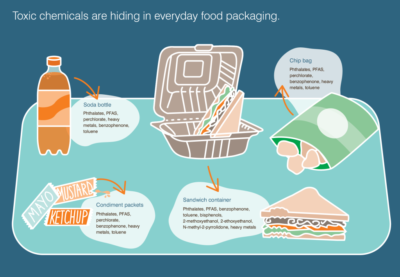
 An estimated 23.5 million Americans, including my husband, suffer from an autoimmune condition — and their numbers are growing, though researchers don’t know why. You’ve likely heard of the most common autoimmune diseases — including type 1 diabetes, rheumatoid arthritis, multiple sclerosis, lupus, celiac disease, psoriasis, inflamatory bowel disease and Crohn’s disease — but you might be unaware that there are more than 80 named but lesser-known types. Through working as a nutritionist and living with my husband, I’ve learned the importance of diet in battling these disorders.
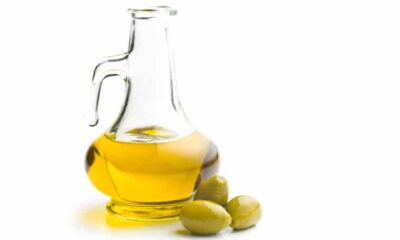 One of the simplest ways we can help our bodies thrive and prevent over-eating is to change the order in which we eat our food. Reaching for the bread basket or bowl of crisps at the start of a meal results in a rapid increase in blood glucose levels and a subsequent insulin response. This will likely leave you feeling tired, hungry and irritable just a few hours later. This is because glucose is rapidly absorbed from starchy foods, and this is even quicker on an empty stomach.
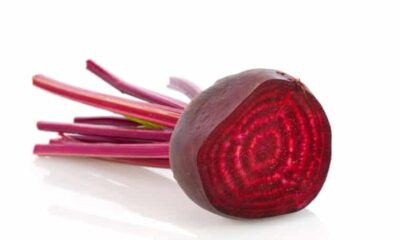 The colours in our plants are there thanks to chemicals called polyphenols, also known as phytonutrients. These chemicals are produced by plants to protect themselves against environmental stressors, including drought, cold weather, hot weather, insects and parasites. A great example of this is the dark red colour of the oranges which grow in the foothills of Mount Etna in Sicily, where the nights are very cold and the days are very hot and dry.
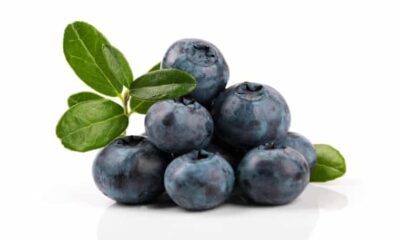 Before doing the ZOE programme, I thought my breakfast of muesli with skimmed milk was exactly what I needed for the day ahead. I soon learned that this breakfast, washed down with a glass of orange juice, pushed my blood sugar to diabetic levels and I quickly changed the menu. Adding mixed nuts and seeds to plain natural yoghurt with some polyphenol-rich berries is a great way to enjoy a nutritious breakfast that won’t spike your blood sugar.
 As a teenager, I remember being moved almost to tears by the sound of a family member chewing muesli. A friend eating dumplings once forced me to flee the room. The noises one former housemate makes when chomping popcorn mean I have declined their invitations to the cinema for nearly 20 years.
 Only about 14% of the UK population are aware of misophonia, according to the King’s College London paper. Perhaps one of the reasons, Gregory suggests, is simply that it is hard to talk about. “You are essentially telling someone: ‘The sound of you eating and breathing – the sounds of you keeping yourself alive – are repulsing me.’ It’s really hard to find a polite way to say that.” Maybe the movie Tár will help: its protagonist, played by Cate Blanchett, has an extreme reaction to the sound of a metronome.
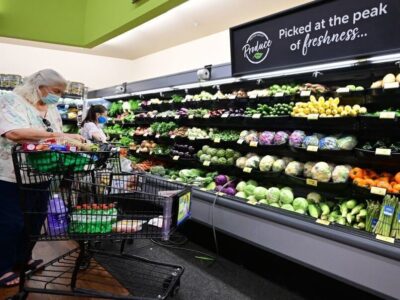 The data are stark: the typical American diet is shortening the lives of many Americans. Diet-related deaths outrank deaths from smoking, and about half of U.S. deaths from heart disease – nearly 900 deaths a day – are linked to poor diet. The pandemic highlighted the problem, with much worse outcomes for people with obesity and other diet-related diseases.
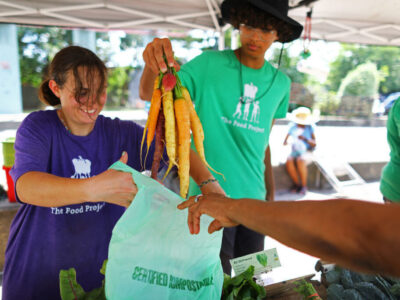 Expand access to dietary and lifestyle counseling
 At a conference in 2012, Luc van Loon was presenting some exciting data from a newly published study. After a heroic research effort that took 2.5 years and 500,000 euros, he and his colleagues had managed to shepherd a large group of frail, elderly subjects through a six-month strength-training program. Those who had taken a daily protein supplement managed to pack on an impressive 2.9 pounds of new muscle. Success! Old people could be strong!
 We often think of amino acids as the “building blocks” of muscle. That’s true, but the amino acids derived from protein actually play a dual role in muscle growth: In addition to being a source of raw materials, protein acts as a signaling molecule, triggering the growth of new muscle. One amino acid in particular, leucine, seems to be the most potent anabolic signaler, but you need all the amino acids together to effectively build muscle.
 Over the course of human history, scientists believe that humans have cultivated more than 6,000 different plant species. But over time, farmers gravitated toward planting those with the largest yields. Today, just three crops – rice, wheat and corn – provide nearly half of the world’s calories.
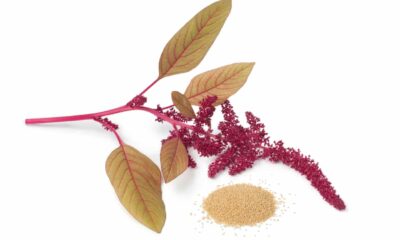 From leaf to seed, the entirety of the amaranth plant is edible. Standing up to eight feet tall, amaranth stalks are topped off with red, orange or green seed-filled plumes. Across Africa and Asia, amaranth has long been eaten as a vegetable – whereas Indigenous Americans also ate the plant’s seed: a pseudo-cereal like buckwheat or quinoa.
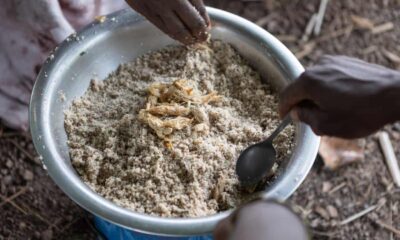 For thousands of years, farmers across West Africa have cultivated fonio – a kind of millet that tastes like a slightly nuttier couscous or quinoa. Historically, fonio is considered to be Africa’s oldest cultivated cereal and was regarded by some as the food of chiefs and kings. In countries such as Senegal, Burkina Faso and Mali, fonio would be served on holy days, like at weddings and during the month of Ramadan.
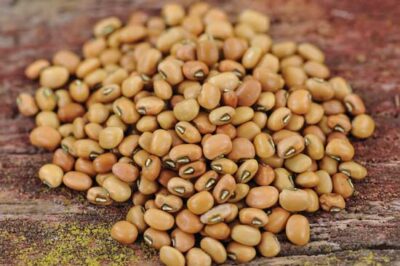 In the 1940s, more than 5m acres of cowpeas were grown in the US – the majority, as their name suggests, for hay to feed livestock. But long before cowpeas – also called southern peas or black-eyed peas – came to the Americas, they were grown for human consumption in West Africa. Although cowpea production has declined in the US in recent decades, the crop is hugely important in much of Africa. Nigeria is the world’s largest cowpea producer.
 In the tropics of Southeast Asia and Polynesia, taro has long been grown as a root vegetable, not unlike the potato. But as rising temperatures threaten cultivation of the crop in its natural habitat, farmers in the continental US are trying to adapt the tropical perennial to grow as a temperate annual, because it cannot survive the cold of US winters.
 While many alternative crops are just plants that were grown somewhere else in the world generations ago, others have been cultivated specifically to withstand climate change.
 As the director of the Energy Metabolism Laboratory at the USDA Nutrition Center Tufts University, Massachusetts, Susan Roberts has spent much of the past two decades studying ways to fight the obesity epidemic that continues to plague much of the western world.
 But this may not actually be true. Over the past few years, Herman Pontzer, an associate professor of evolutionary anthropology at Duke University, North Carolina, and more than 80 other scientists have compiled data from more than 6,400 individuals – from eight days to 95 years old – that shows something very different.
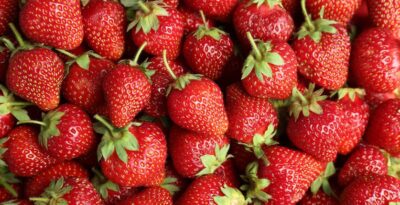 Believe it or not, strawberry tops—the part you cut off and toss into the garbage or compost—can be repurposed in a variety of creative ways. While munching on the green tops itself doesn’t sound all that appetizing, you’ll be surprised at how they can be used.