
 Every once in a while I wonder how my life can get any better. And then it does! Over and over again. How is it that that can happen without much effort on my part to make it so? Here are my #lovinglife suggestions for joy seekers everywhere.
1. Beam radiant vibes to the world and laugh loads, all while practicing doing things you love.
2. Seek to be moved by life. Look for awe-filled moments and be thrilled by the tiny tears that come with epiphanous insights.
3. Express yourself with panache. Let your uniqueness fill the parade square of your life.
4. Surround yourself with quirky, rebel friends up to great things in life … and shower appreciation and love upon them.
5. Create moments that are special and that brighten the world with happiness and joy.
6. Be up to GREAT things and have a ball making them happen.
7. Give no credence to naysayers. Become a Joy-bringer for the world and shower naysayers with love.
8. Decide what you’re FOR and then be for it in every delightful way you can.
9. And finally put yourself in what I like to call ‘universal super flow’, allowing the powers and forces of Life to surge through you to elevate this world.
About the Author:
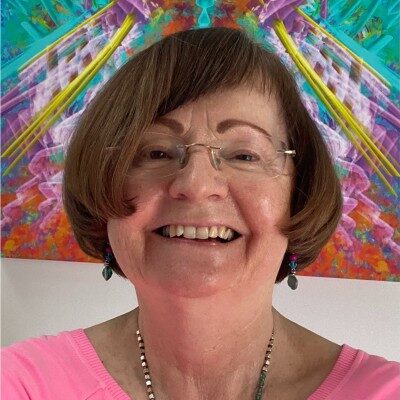
Soleira Green is a visionary author, quantum coach, ALLchemist & future innovator. She has been creating leading edge breakthroughs in consciousness, quantum evolution, transformation, innovation, intelligence and more over the past 25 years, has written and self-published eleven books, and taught courses all over the world on these topics.
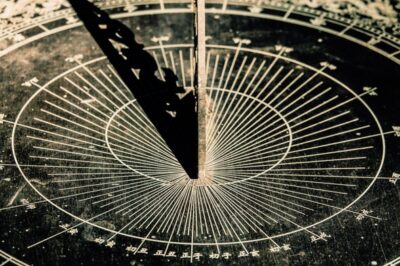 In modern times, clocks underpin everything people do, from work to school to sleep. Timekeeping is also the invisible structure that makes modern infrastructure work. It forms the foundation of the high-speed computers that conduct financial trading and even the GPS system that pinpoints locations on Earth’s surface with unprecedented accuracy.
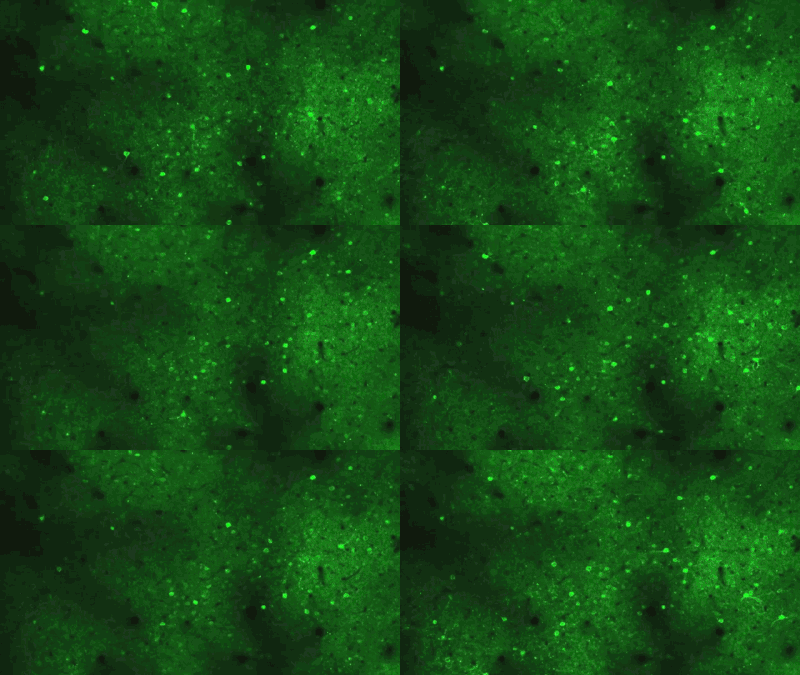 The brain seems to get it just right. “This is in a cool sweet spot in between,” said Eric Shea-Brown, a mathematical neuroscientist at the University of Washington who was not involved in the study. “It’s a balance between being smooth and systematic, in terms of mapping like inputs to like responses, but other than that, expressing as much as possible about the input.”
 In the summer of 2021, I experienced a cluster of coincidences, some of which had a distinctly supernatural feel. Here’s how it started. I keep a journal and record dreams if they are especially vivid or strange. It doesn’t happen often, but I logged one in which my mother’s oldest friend, a woman called Rose, made an appearance to tell me that she (Rose) had just died. She’d had another stroke, she said, and that was it. Come the morning, it occurred to me that I didn’t know whether Rose was still alive. I guessed not. She’d had a major stroke about 10 years ago and had gone on to suffer a series of minor strokes, descending into a sorry state of physical incapacity and dementia.
 While some coincidences seem playful, others feel inherently macabre. In 2007, the Guardian journalist John Harris set out on ‘an intermittent rock-grave odyssey’ visiting the last resting places of revered UK rock musicians. About halfway through, he went to the tiny village of Rushock in Worcestershire to gather thoughts at the headstone of the Led Zeppelin drummer John Bonham, who died at the age of 32 on 25 September 1980, after consuming a prodigious quantity of alcohol. A Guardian photographer had visited the grave a few days earlier to get a picture to accompany the piece. It was, writes Harris, ‘an icy morning that gave the churchyard the look of a scene from The Omen’ and, fitting with one of the key motifs of that film, the photographer was ‘spooked by the appearance of an unaccompanied black dog, which urinates on the gravestone and then disappears’. ‘Black Dog’ (1971) happens to be the title of one of the most iconic songs in the Led Zeppelin catalogue.
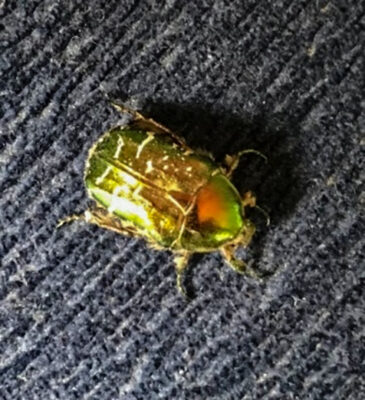 Jung was the first to bring coincidences into the frame of psychological enquiry, and made use of them in his analytic practice. He offers an anecdote about a golden beetle as an illustration of synchronicity at work in the clinic. A young woman is recounting a dream in which she was given a golden scarab, when Jung hears a gentle tapping at the window behind him and turns to see a flying insect knocking against the windowpane. He opens the window and catches the creature as it flies into the room. It turns out to be a rose chafer beetle, ‘the nearest analogy to a golden scarab that one finds in our latitudes’. The incident proved to be a transformative moment in the woman’s therapy. She had, says Jung, been ‘an extraordinarily difficult case’ on account of her hyper-rationality and, evidently, ‘something quite irrational was needed’ to break her defences. The coincidence of the dream and the insect’s intrusion was the key to therapeutic progress. Jung adds that the scarab is ‘a classic example of a rebirth symbol’ with roots in Egyptian mythology.
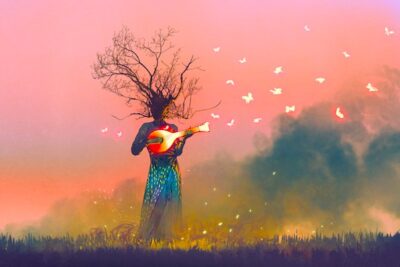 I have come far in my life, farther than I ever dreamed was even possible. And yet my dreaming continues, urging me ever onward.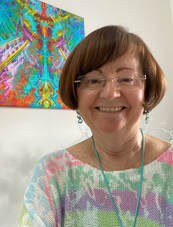
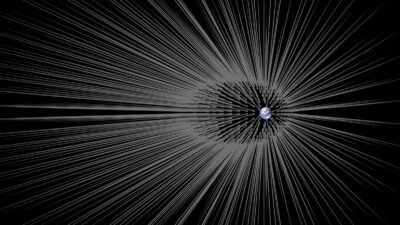 Consciousness permeates reality. Rather than being just a unique feature of human subjective experience, it’s the foundation of the universe, present in every particle and all physical matter.
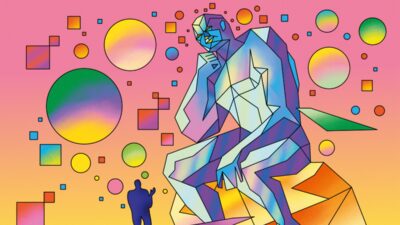 Interest in panpsychism has grown in part thanks to the increased academic focus on consciousness itself following on from Chalmers’ “hard problem” paper. Philosophers at NYU, home to one of the leading philosophy-of-mind departments, have made panpsychism a feature of serious study. There have been several credible academic books on the subject in recent years, and popular articles taking panpsychism seriously.
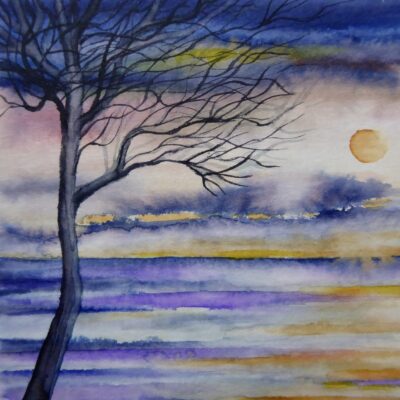
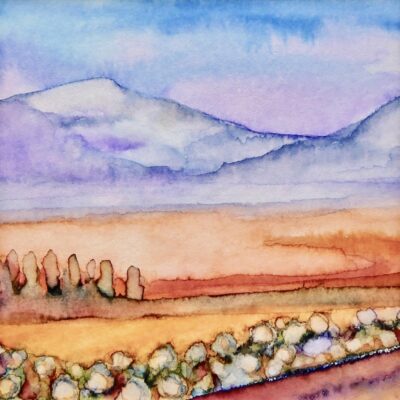
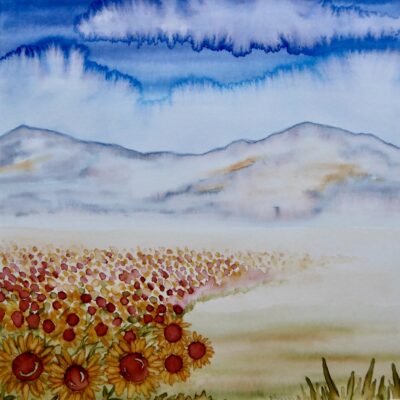
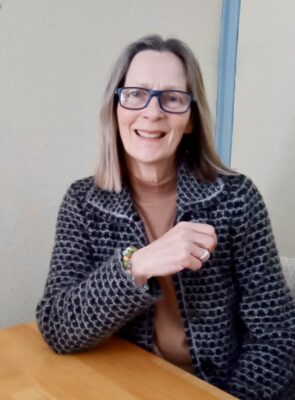 I’ve been artistic all my life, but I don’t think of myself as an artist. I mainly write spiritual poetry; exploring our shared human condition. I paint small watercolour and ink paintings to accompany them on my website.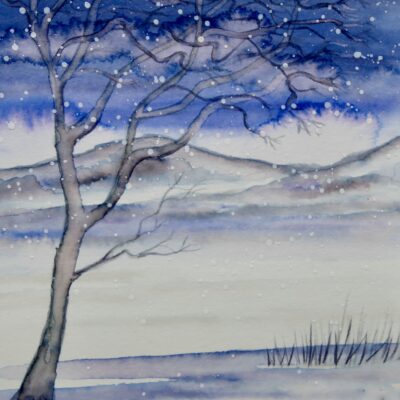

 The sky was a classic California cloudless blue. The light, February soft. The sea breeze, easy, fragrant, and chilly. The waves, mellow laps against the rocky arch at the Natural Bridges State Marine Reserve, about 75 miles south of San Francisco.
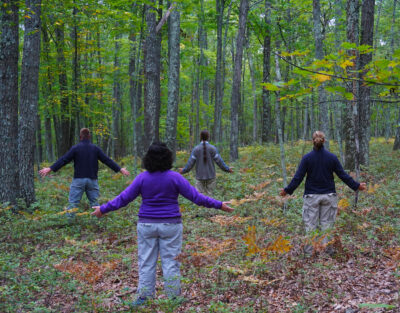 Doing it before school or work would be a beautifully irreverent and rebellious thing to do: to remind yourself that this is our most important work as human beings, rather than something that is done after our jobs or homework or housework are complete, and only then if we are not yet completely weighed down by exhaustion.