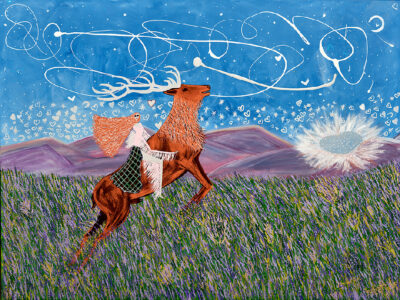
About the Artist:
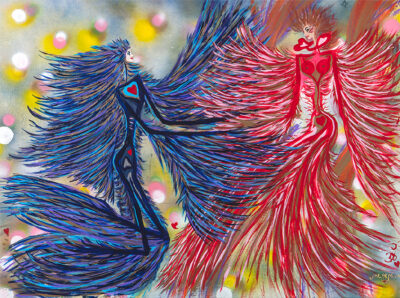
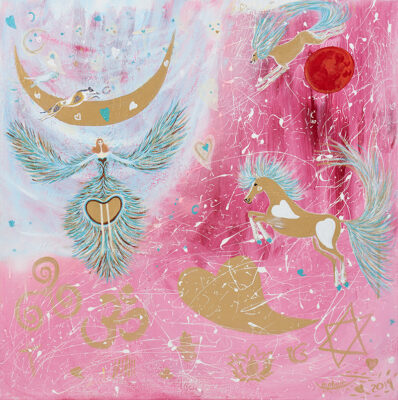
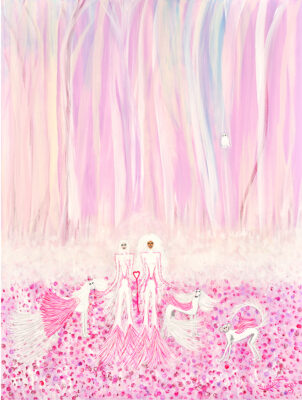
 Jane Hepburn is an intuitive, fantasy artist whose work sells internationally and adorns the walls of notable celebrities such as fashion icon Diane von Furstenberg, Ken Paves, and many others. Children and adults alike are captivated by her strikingly beautiful SuperElle angels who rule their heavenly world with wisdom and warrior power whilst being fun loving and nurturing.
For Jane, painting is a sacred experience. She has always felt a strong connection to the spirit world and channels many of her pieces, allowing her intuition to guide her. Her attention to detail allows the viewer to discover new things, long after their first look.
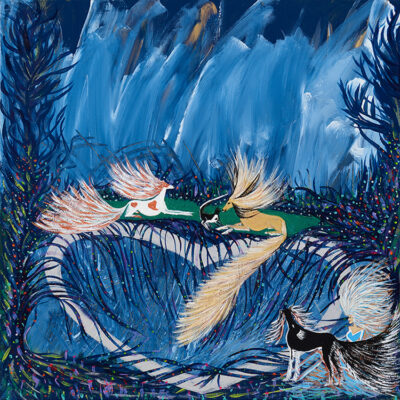
Jane’s work is instantly recognisable with its flowing, feathered brush strokes, heavenly angels, and animals. Her use of colour is vibrant and energizing. Jane has created a fairy tale world that many of us would love to escape to. Her studio is a magical place where her inspirations come alive as her four legged friends and supernatural guides watch on.
Each painting has its own story, full of love and light with its uplifting messages of female strength, truth, other worldly support, and togetherness. Her work is deeply personal and heartfelt and manages to effortlessly combine emotion, beauty, and possibility.
Jane produces collectable archival prints either on canvas or paper. Some of the prints are embellished with the details hand painted back in to create a unique, one-of-a-kind piece bringing out the authentic vibration of the original. Jane has exhibited several times in London and had her work featured in magazines.
Official website: https://hepburnart.co.uk
LinkedIn https://www.linkedin.com/in/janehepburn
YouTube https://www.youtube.com/channel/UC8dPewfs_RDt-j2OrGY5nhA
Facebook Business Page: https://www.facebook.com/janehepburnart
Instagram https://www.instagram.com/janehepburnart/
Twitter https://twitter.com/JaneHepburnArt

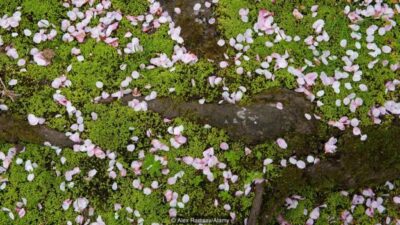 Withdrawing my hands reluctantly from the slowly spinning bowl, I watched its uneven sides slowly come to a stop, wishing I could straighten them out just a little more. I was in the ancient pottery town of Hagi in rural Yamaguchi, Japan, and while I trusted the potter who convinced me to let it be, I can’t say I understood his motives.
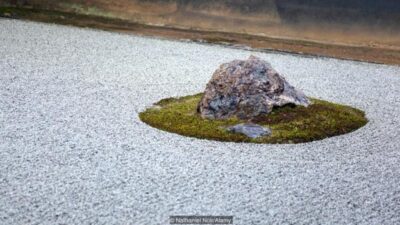 Wabi, which roughly means ‘the elegant beauty of humble simplicity’, and sabi, which means ‘the passing of time and subsequent deterioration’, were combined to form a sense unique to Japan and pivotal to Japanese culture. But just as Buddhist monks believed that words were the enemy of understanding, this description can only scratch the surface of the topic.
 It is the inevitable mortality embound in nature, however, that is key to a true understanding of wabi-sabi. As author Andrew Juniper notes in his book Wabi Sabi: The Japanese Art of Impermanence, “It… uses the uncompromising touch of mortality to focus the mind on the exquisite transient beauty to be found in all things impermanent”. Alone, natural patterns are merely pretty, but in understanding their context as transient items that highlight our own awareness of impermanence and death, they become profound.
 “You have different feelings when you’re young – everything new is good, but you start to see history develop like a story. After you’ve grown up, you see so many stories, from your family to nature: everything growing and dying and you understand the concept more than you did as a child.”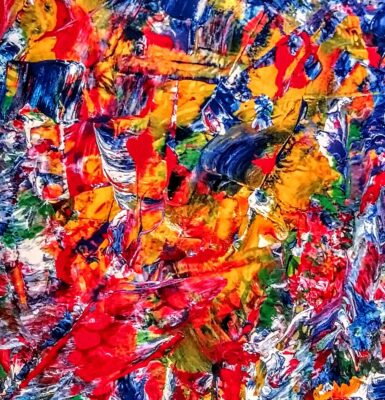

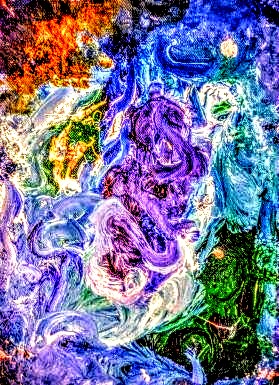
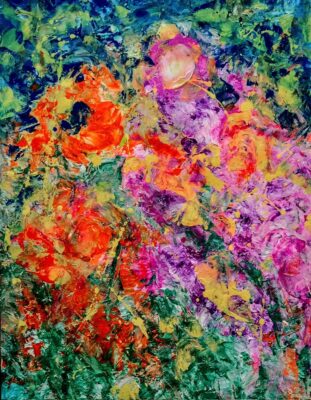
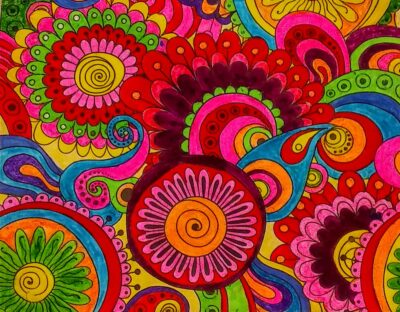
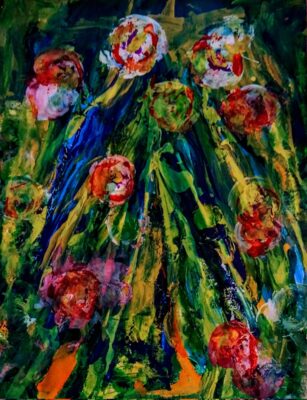
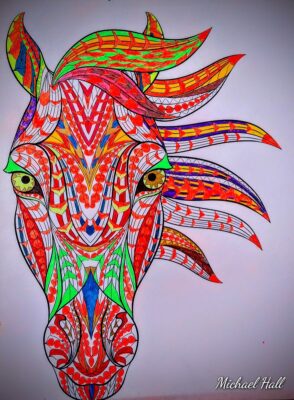
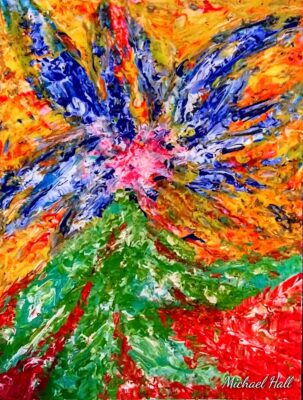
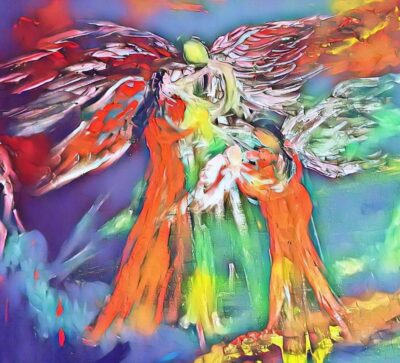
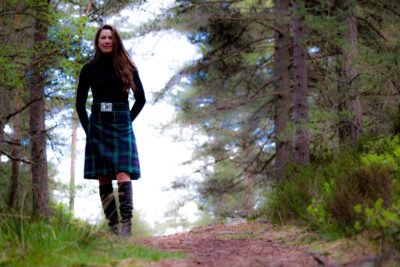
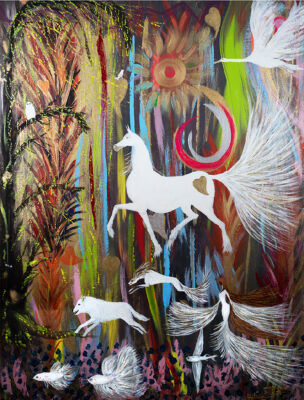
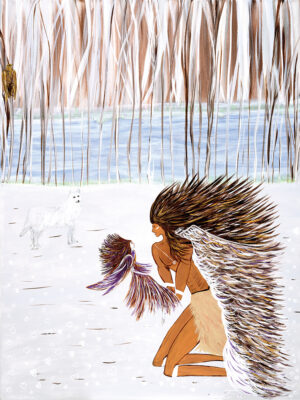
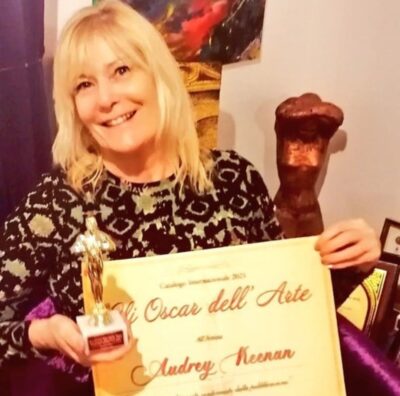 Audrey is a Scottish artist who paints abstract Expressionism angel art. She began painting on the anniversary of her daughter’s death, and found it was healing and therapeutic. In the last three years she’s been awarded 13 international art awards, including The World Golden Cup 2020 Art Award, Oscar dell Arte, Golden Palm 2020, and Leonardo da Vinci 2020.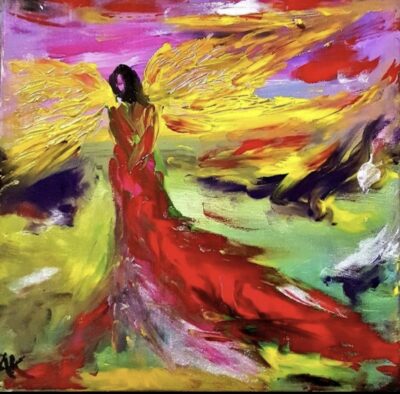
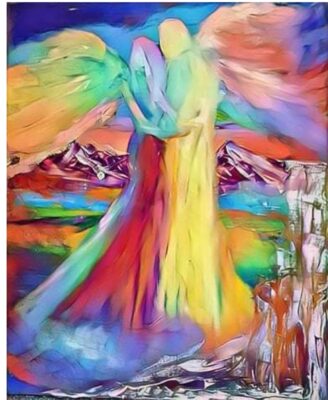
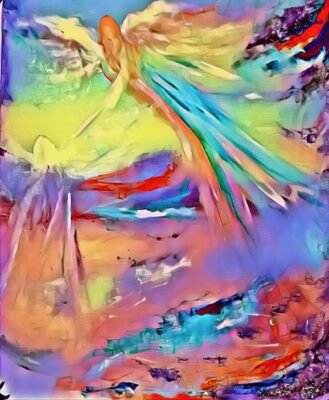
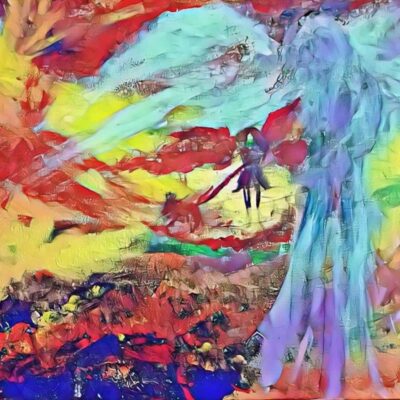
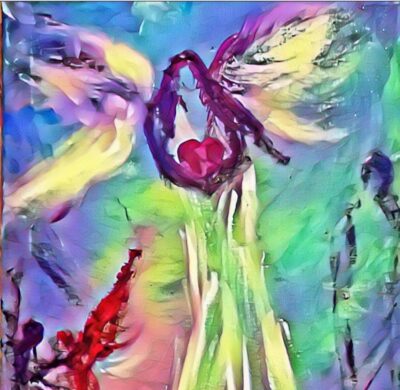
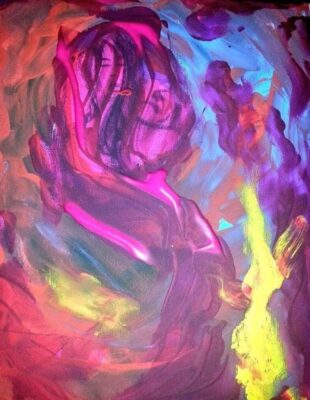
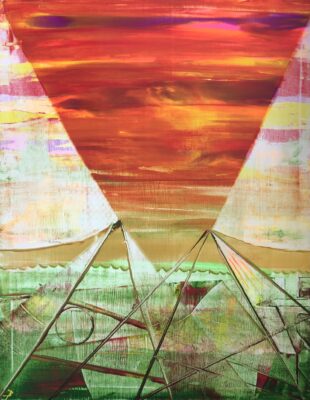

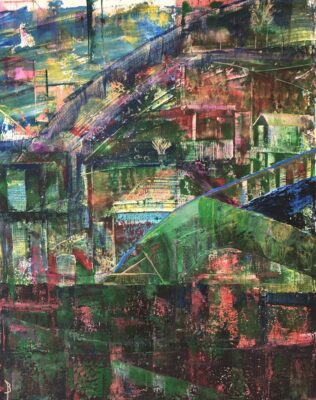

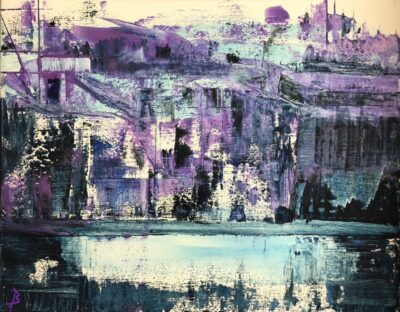
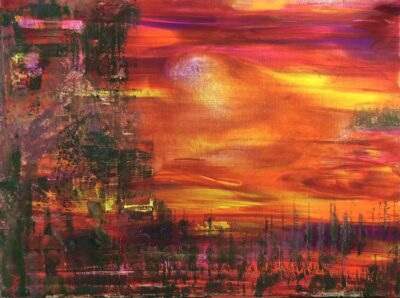
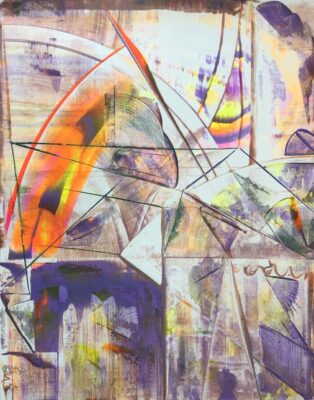
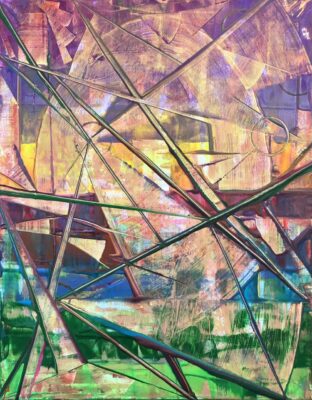
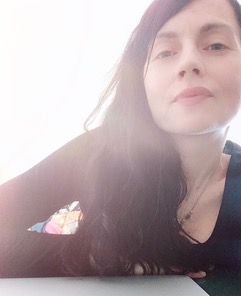
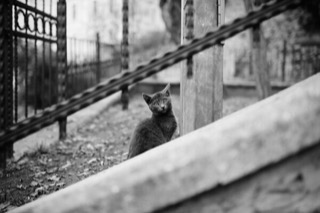
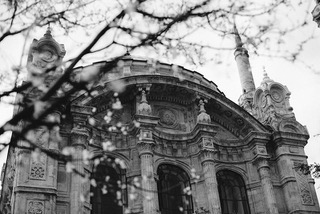
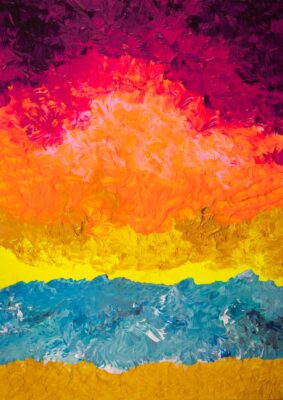
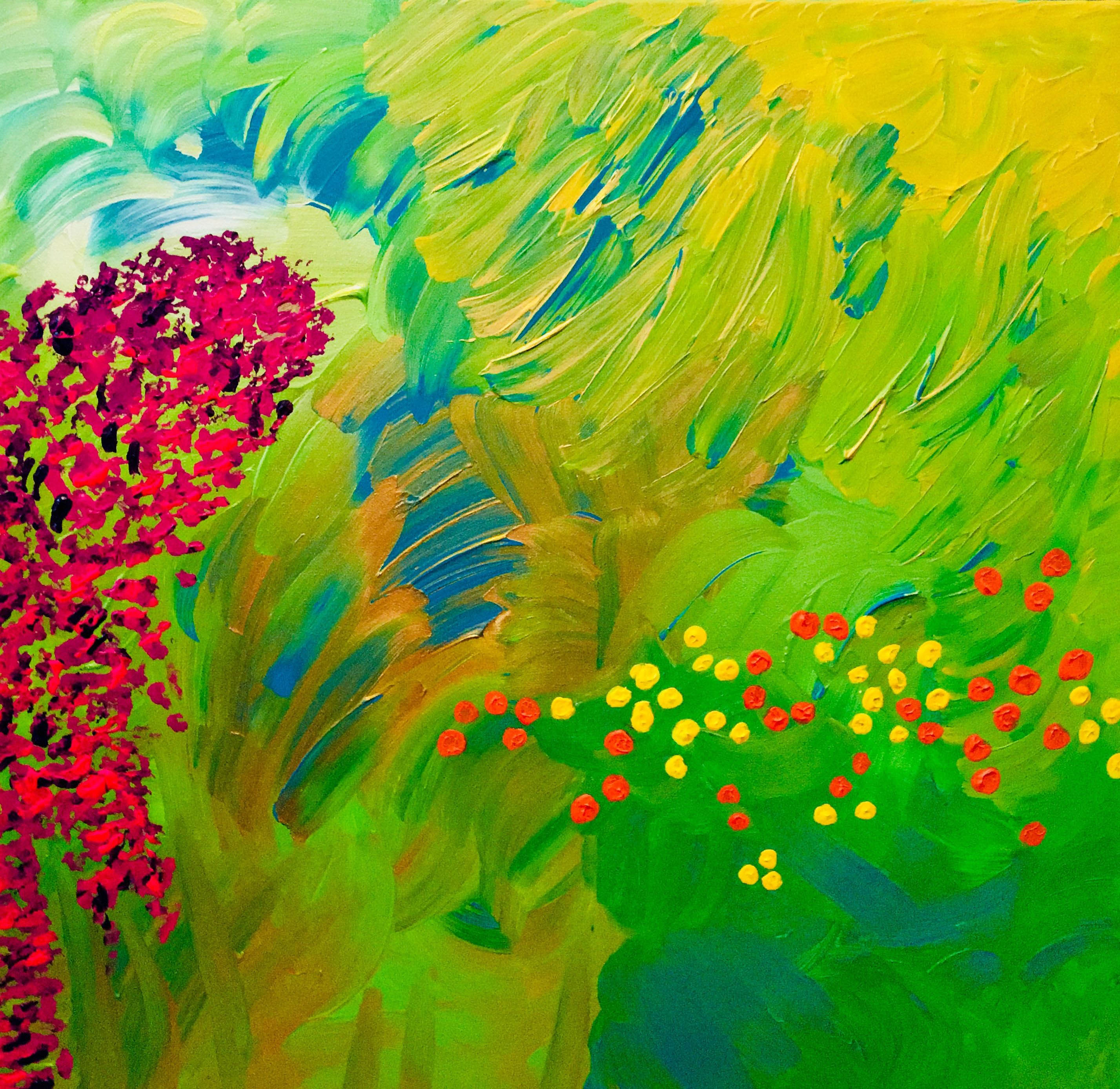
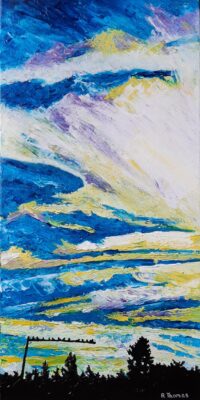
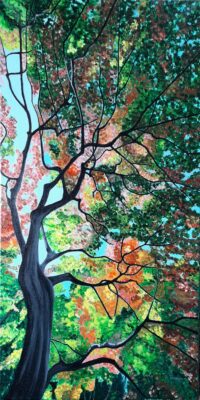
 I am a self-taught artist who picked up my first brush in lockdown, August 2020. I just felt an instant peace as I brushed the paint in different directions. I have taken elements of my life and principles and applied them to acrylics on canvas.