


Never before has it been more important to focus on learning how to improve air quality indoors. Aside from the usual tips and tricks people use, there may be some household items that are polluting the air you are breathing
While an air purifier works to clean the air in your home, it’s worth looking at what is polluting it.
Many everyday items around the house can pollute the air without us even realizing it. When identifying these emitters, it’s crucial to identify those most pervasive and address practical steps for mitigation.
Here are seven everyday household items and what you can do to reduce their impact:
1. Cleaning products
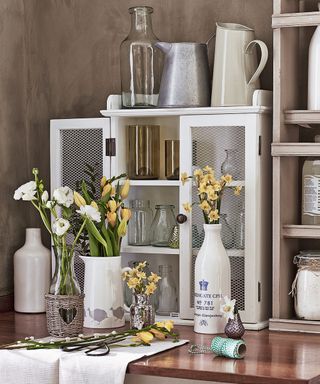
‘Many household cleaners contain volatile organic compounds (VOCs) that can evaporate into the air at room temperature,’ says Joshua Bartlett, home improvement expert at I’ll Just Fix It Myself. ‘These compounds contribute to indoor air pollution and can exacerbate respiratory problems, headaches, and eye irritation.’
Thankfully there are a few ways that you can mitigate these pollutants. The first is by using natural products such as an antibacterial all-purpose cleaner spray, or making your own with ingredients like vinegar and baking soda.
Additionally, you should always ensure good ventilation by opening windows or using exhaust fans when cleaning and avoid aerosol cleaners, choosing liquid or solid cleaning products over aerosols to reduce those VOC emissions.
2. Paints and Varnishes
Another household item you wouldn’t think produces pollutants is most paints and varnishes. Paints and varnishes release VOCs and other harmful chemicals into the air during application and drying.
Instead, you should opt for low-VOC paint and varnish options such as Glidden Fundamentals Interior Paint. Similar to cleaning products, good ventilation helps a lot to remove pollutants from your vicinity. Paint in well-ventilated areas and allow plenty of time for the paint to dry.
3. Air fresheners
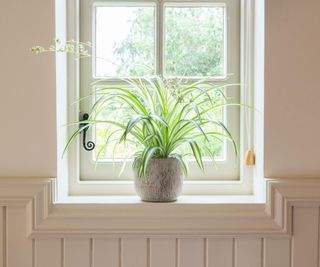
We all want our homes to smell nice, however, the devices we often use to do so, such as air freshers and scent boosters are actually causing further pollution. Air fresheners often contain phthalates and other chemicals that emit VOCs, contributing to indoor air pollution.
If you enjoy your home smelling fragrant, cleaning specialist Janille Mangat suggests that you use natural air fresheners like essential oils or potpourri instead, and if you are just trying to mask over bad smells and odors, open your windows to Improve ventilation and reduce the need for air fresheners to begin with.
There are also several houseplants like spider plants or peace lilies, which help purify the air and achieve the same result.
4. Candles

When burned, traditional paraffin candles release soot, benzene, and toluene, which can contribute to indoor air pollution. Instead, use more natural candles such as beeswax or soy candles with natural wicks that do not contain those chemicals.
If you want to take it one step further, you can also opt for unscented candles to reduce synthetic fragrance emissions.
5. Carpets and rugs
Surprisingly, new carpets and rugs can also contribute pollutants to your air as they emit VOCs from adhesives, dyes, and backing materials. Over time carpets and rugs also trap dust, dirt, and allergens.
Similarly to paint and varnishes, luckily there are low-VOC and eco-friendly carpets you can buy which are kinder to your lungs. Ensure any new carpets are installed with low-VOC adhesives, allowing them to be off-gas before use.
Aside from changing all of your rugs and carpets, you can help reduce the release of pollutants by regularly cleaning and vacuuming.
6. Furniture

Furniture made from pressed wood or particleboard can also emit formaldehyde and other VOCs. Instead, opt for solid wood furniture rather than pressed wood or particleboard.
You can also look to update your furniture with an eco-friendly finish, such as one that has been finished off with a low-VOC varnish.
7. Pesticides
Pesticides are a big contributor to the buildup of pollutants in your home. They release harmful chemicals into the air that can linger and cause respiratory problems and skin irritation.
If you are looking for ways to eliminate pests, you can still use natural pest control methods like diatomaceous earth, essential oils such as organic neem oil, or traps. Use a combination of these natural pest control methods to maximize their effectiveness.
Tips for improving indoor air quality
In addition to mitigating current household items that are polluting your air, you can also incorporate some of these general tips to improve your overall indoor air quality.
Ventilation: Improve natural ventilation by opening windows and doors when possible.
Air Purifiers: Use air purifiers with HEPA and activated carbon filters such as the Winix 5300-2 Air Purifier.
Houseplants: Incorporate air-purifying houseplants into your home decor.
Regular Cleaning: Maintain a regular cleaning schedule to reduce dust, mold, and other pollutants.
Humidity Control: Keep indoor humidity levels between 30-50% to prevent mold growth and dust mites.
FAQs
How to test air quality in your home?
One way that you can test the quality of air in your home is by using air quality monitors. By using multiple monitors across several rooms you will be able to gather a better understanding of the air quality throughout your home and identify any problem areas.
By understanding what contributes to indoor air pollution and taking proactive steps, you can significantly improve the air quality in your home and breathe much cleaner air.
Original article here
 We are in the midst of a struggle for our future, the future of countless species, and indeed future of this Planet. Much is at stake. Even so, there are very good reasons that we are at this juncture, and it is first and foremost an opportunity to remember what is essential about us, and all of Life.
 I have been noticing and observing that the predominant preoccupation with the Age of Science and Medicine is to classify micro-components of the natural world as hostile to human biology, when in fact our biology exists in a symbiotic relationship with trillions of bacteria and other organisms. There is mounting evidence that when we introduce toxins of any type into the natural order, these microorganisms will attempt to rid themselves of the toxicity, and in turn, this may appear in biology as illness, or dis-ease. When this happens, it should alert us that something has changed in the equilibrium, the balance of Nature within and without. Instead, we treat the manifestation of illness as an invader, mercilessly and coldly attacking us and killing some of us. The only question that remains is to identify and remove the sources of toxicity, whether it be in our air, water, food, or within our minds and emotions.
 We can no longer afford this sort of indulgence, not when we face multiple challenges in simultaneity. Even though the lockdowns during 2020 seemingly provided a brief respite, the collapse of the ecosystem is still accelerating. The Pandemic of 2020 has captivated most of human focus, drawing away attention to the looming crisis of the collapse of capitalism as we’ve known it, and the poverty that is being created because of it. There is a stated desire by the world’s most influential persons to establish a single digital transaction system to replace the currencies and through a digital “smart” infrastructure, manage most aspects of every human being’s life in the near future. Is this what we really want, or need?
 Challenge your own assumptions. Protect yourself and your loved ones from over-exposure to artificial EMF’s. Buy a water filter for your home. Learn deep breathing techniques, and perhaps grow a small veg garden. Dance more, make love…to everything. Meditate, reflect, spend time in Nature. Self-care is essential…always!
 Isaac George